Birmingham is a nice city in the northwestern part of Alabama. I knew little about it before coming here and decided to make it a stop so I could visit a friend who recently moved here with his wife and baby daughter. We drove to Birmingham via Oxford, Mississippi, where we briefly stopped for lunch and enjoyed the calm, manicured and clean little town. It was a very stark difference to the run down, neglected feel of Clarksdale. The calm surface is in contrast to a very stormy past during the civil rights era, when a black student tried to enroll in the then segregated University of Mississippi here, ultimately leading to violent race riots that got national attention.
Birmingham turned out to be quite nice. It is always fun to spend time in a city with locals. After meeting their baby daughter and saying goodbye to her and the babysitter, we went out for a short drive around town to take a look at some of what it has to offer, and then sat down for a nice dinner together. Though we had never before gone out as two couples, the conversation was very nice and we felt very comfortable and at ease. We enjoyed a family style meal where everyone was digging into the food, where double dipping was inevitable, and it was fun. No one seemed to mind. It was fun to be in the company of other adults for a bit.
The city itself has an interesting history as a former southern iron production site and industrial hub. This is where it gets its name. What is left from that past today is a major train hub, which means that huge trains constantly go through town in what is referred to by the locals as a river - you have to build bridges across the tracks or be separated from the other side.

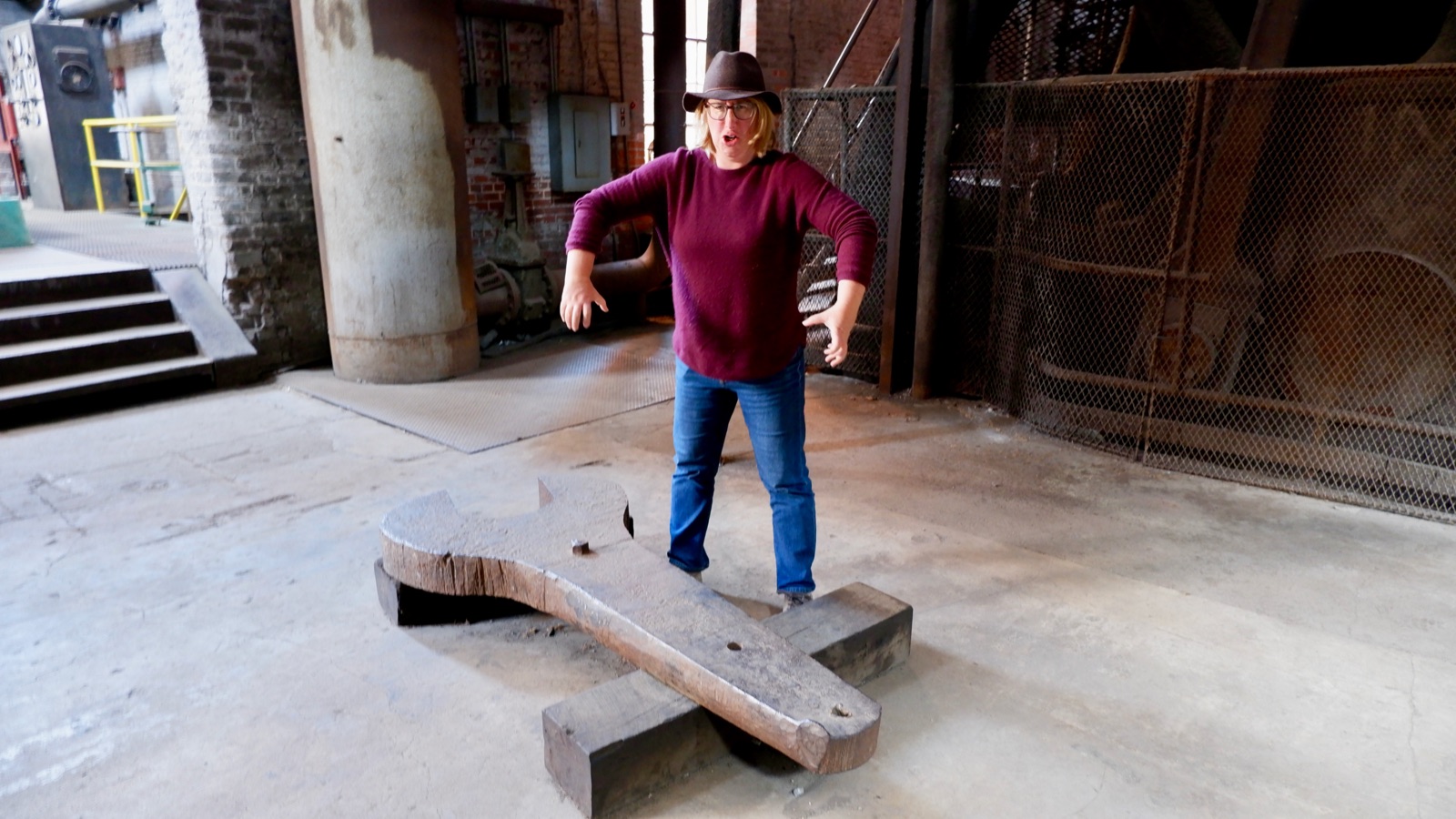
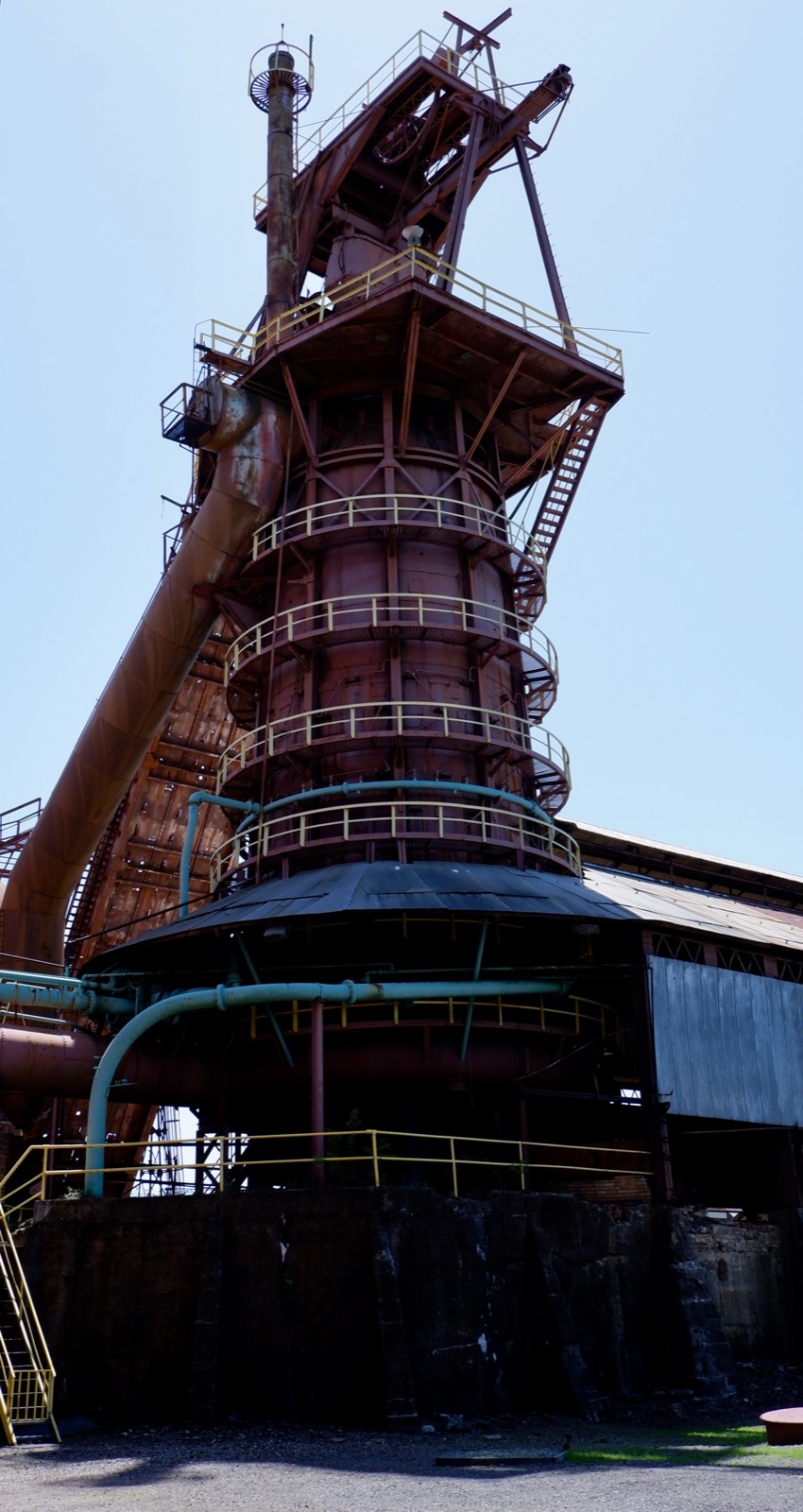
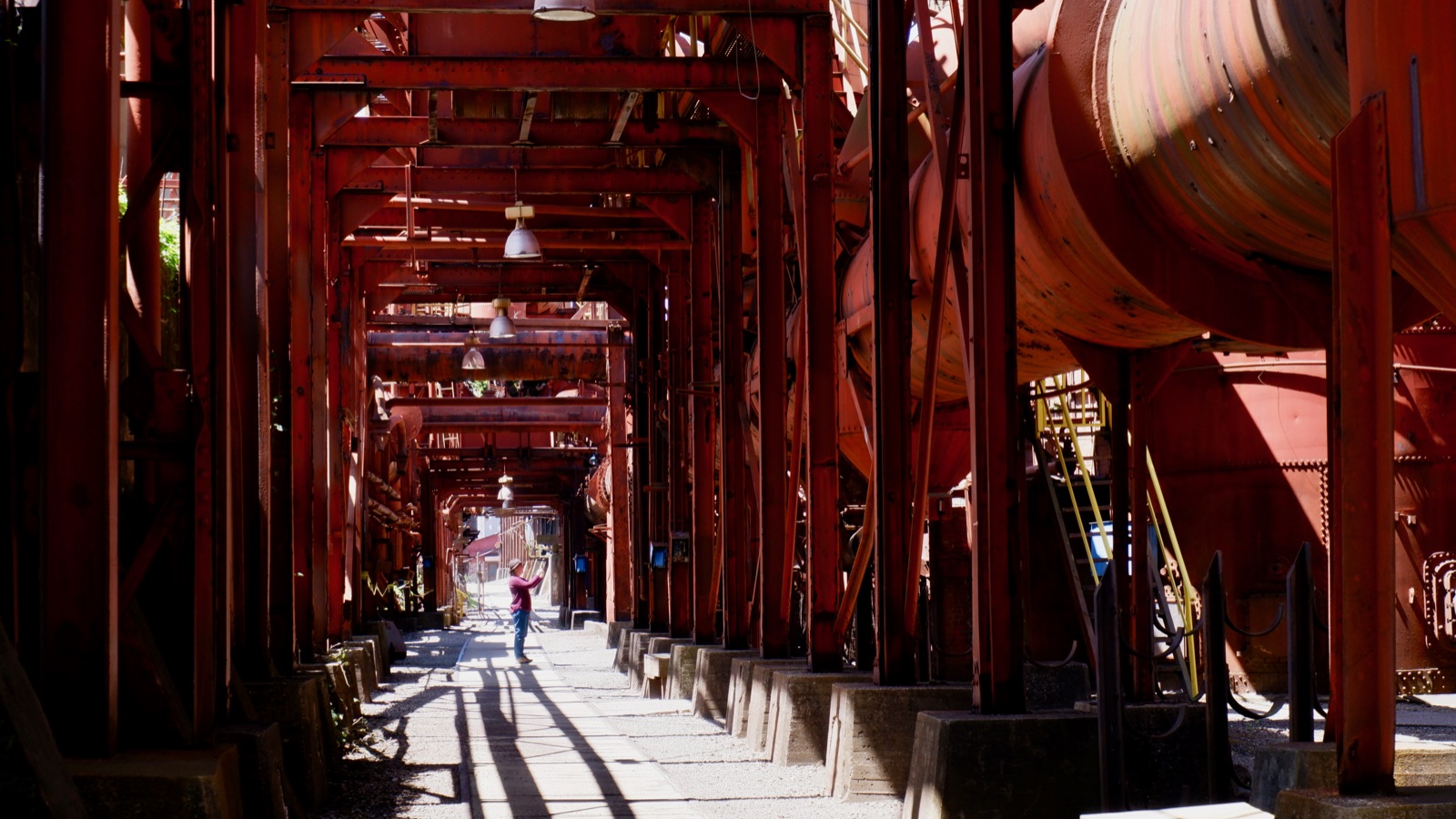
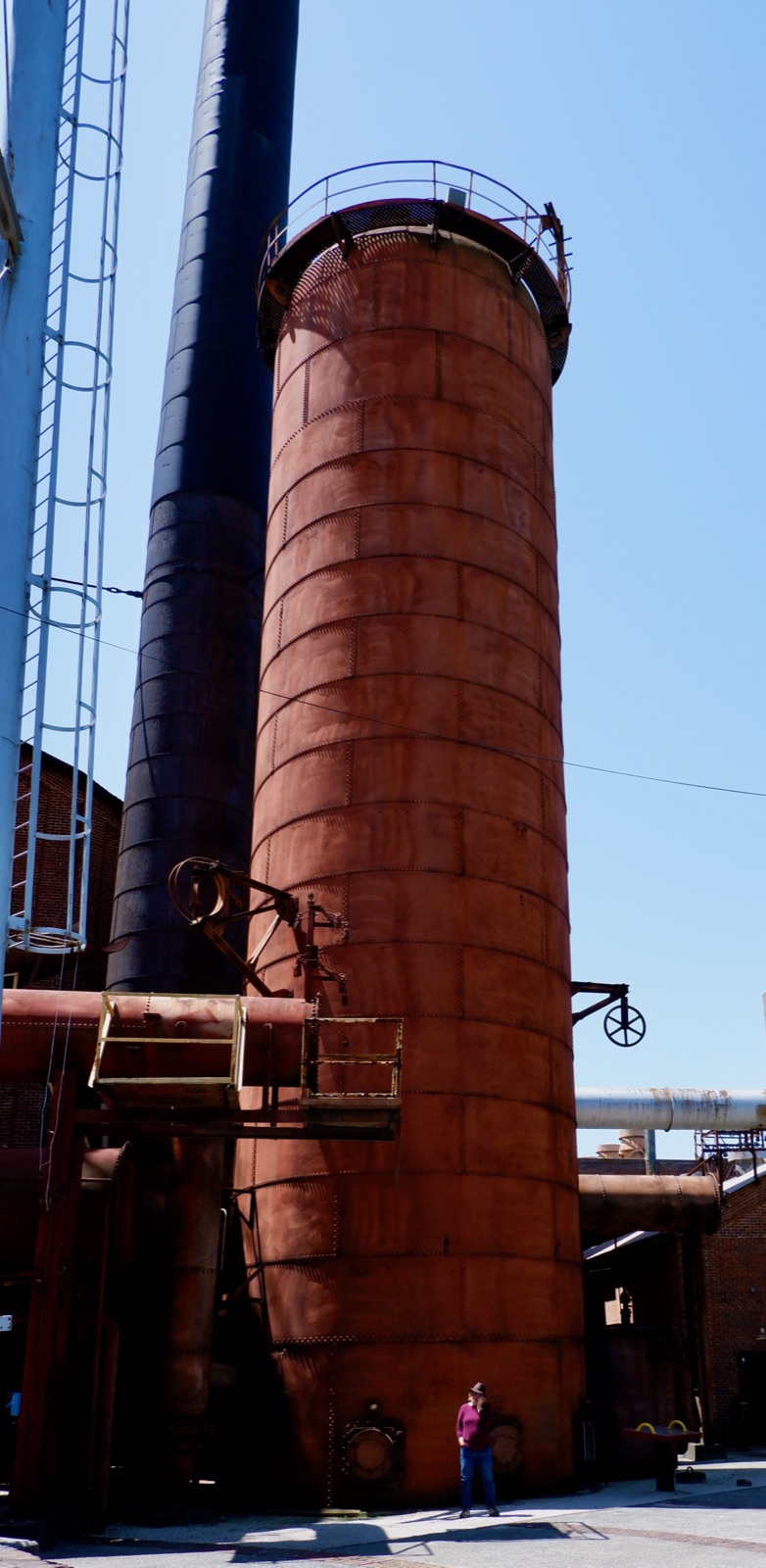
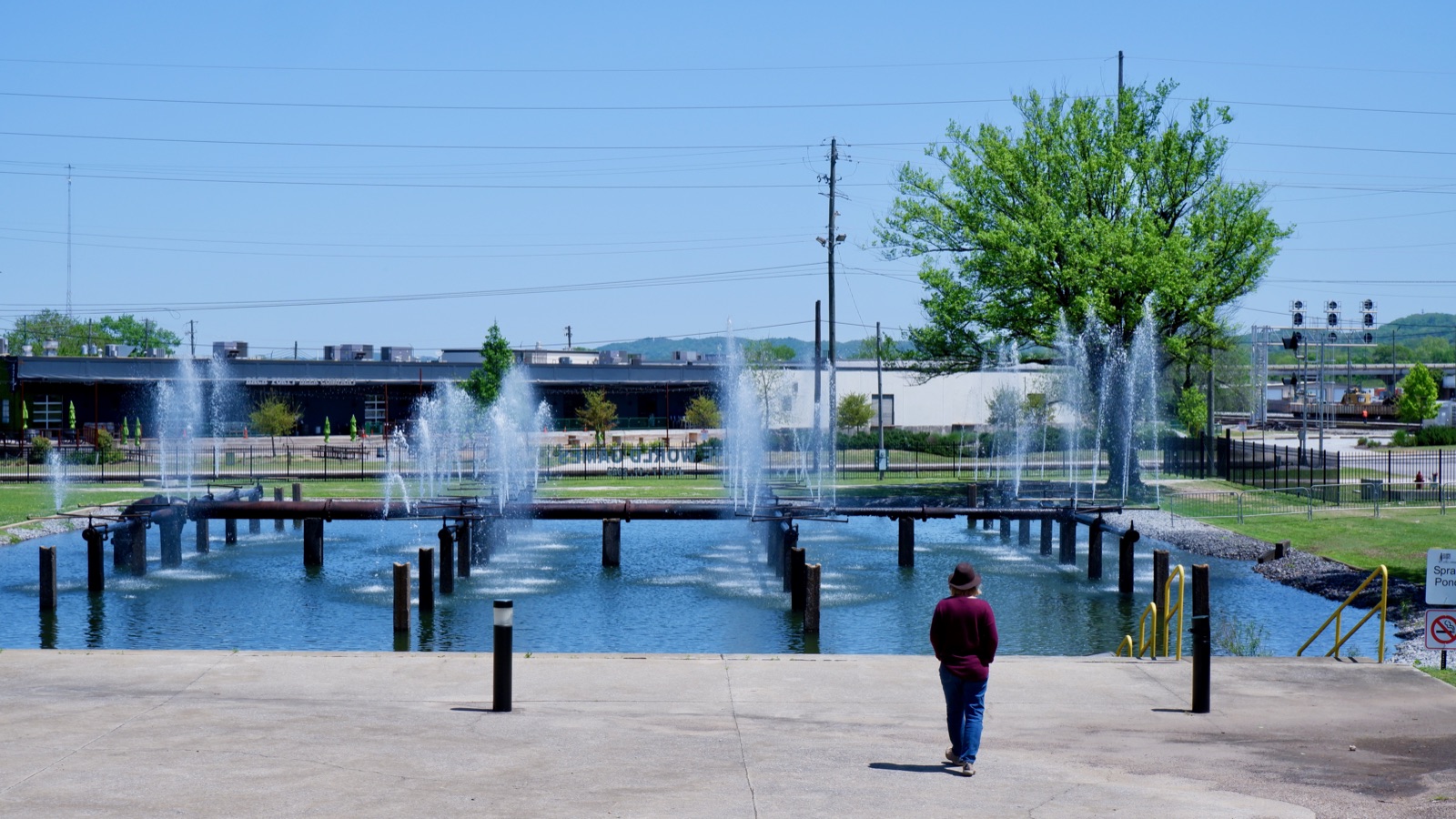
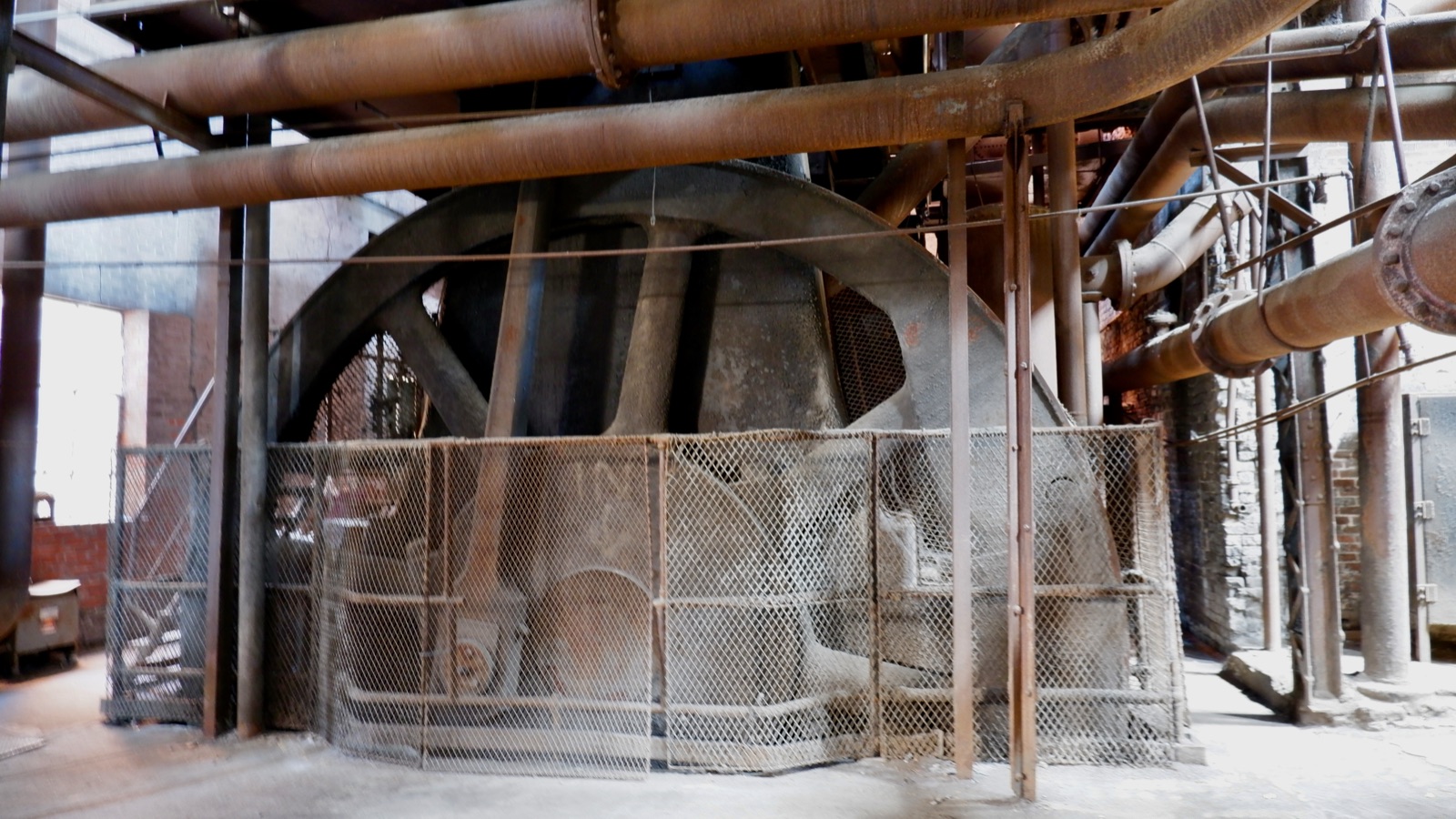
Another interesting thing here is a huge shut down iron factory that used a technology called blast furnace right at the edge of town called Sloss Furnace National Historic Landmark that you can visit. From a visual standpoint there is a lot in shutdown plant that is reminiscent of Bernd and Hilla Becher, who are some of Orit’s favorite artists. From an engineering perspective this place represents the height of the harnessing of fire to create metal, which humans have been doing for ~5000 years. The process for producing the iron at Sloss involved blowing compressed air at 1400 degrees into a large chamber, igniting coal which would then extract oxygen from iron ore and turn, after a reaction with limestone to extract impurities, into iron. Getting air to 1400 degrees, pumping it into the large chamber and dealing with the resulting molten iron were all done using 19th century technology, which is kind of amazing. The Birmingham area was rich in coal, limestone and iron ore, which is why the factory was built here.
Looking at the history of the place, you can see some common practices for large businesses at the end of the 19th century and early 20th in the US south. It used convict leasing, the loophole developed in the south after slavery became illegal whereby prisoners are leased to companies for cheap labor. The overwhelming majority of leased convicts were blacks. Later on, It created a sort of company town in the early 20th century where workers were housed with their families, and other services were provided like healthcare and school. Electricity from the plant was provided to the Sloss neighborhood. During the second world war, the factory was an important part of the war effort.
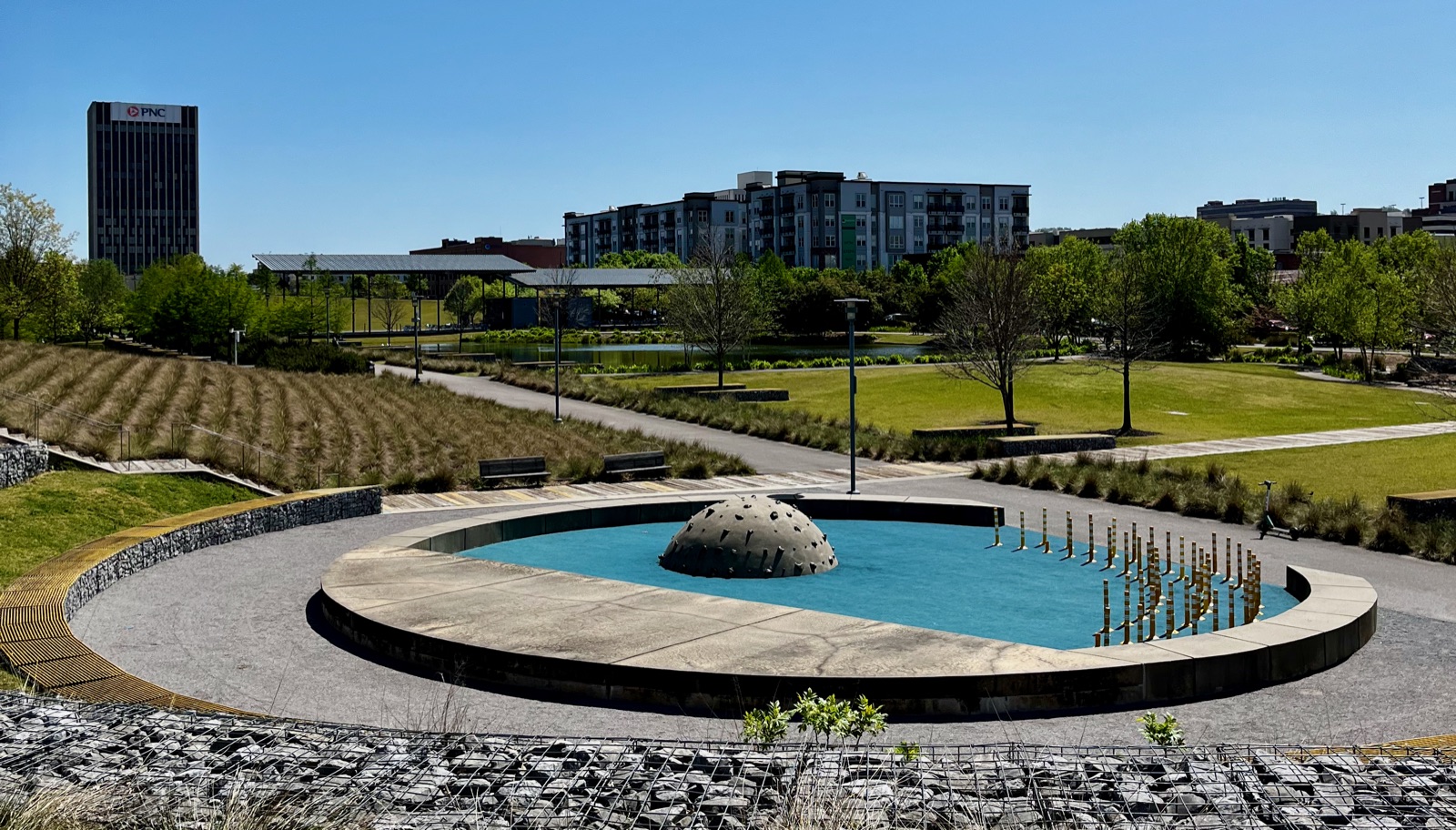
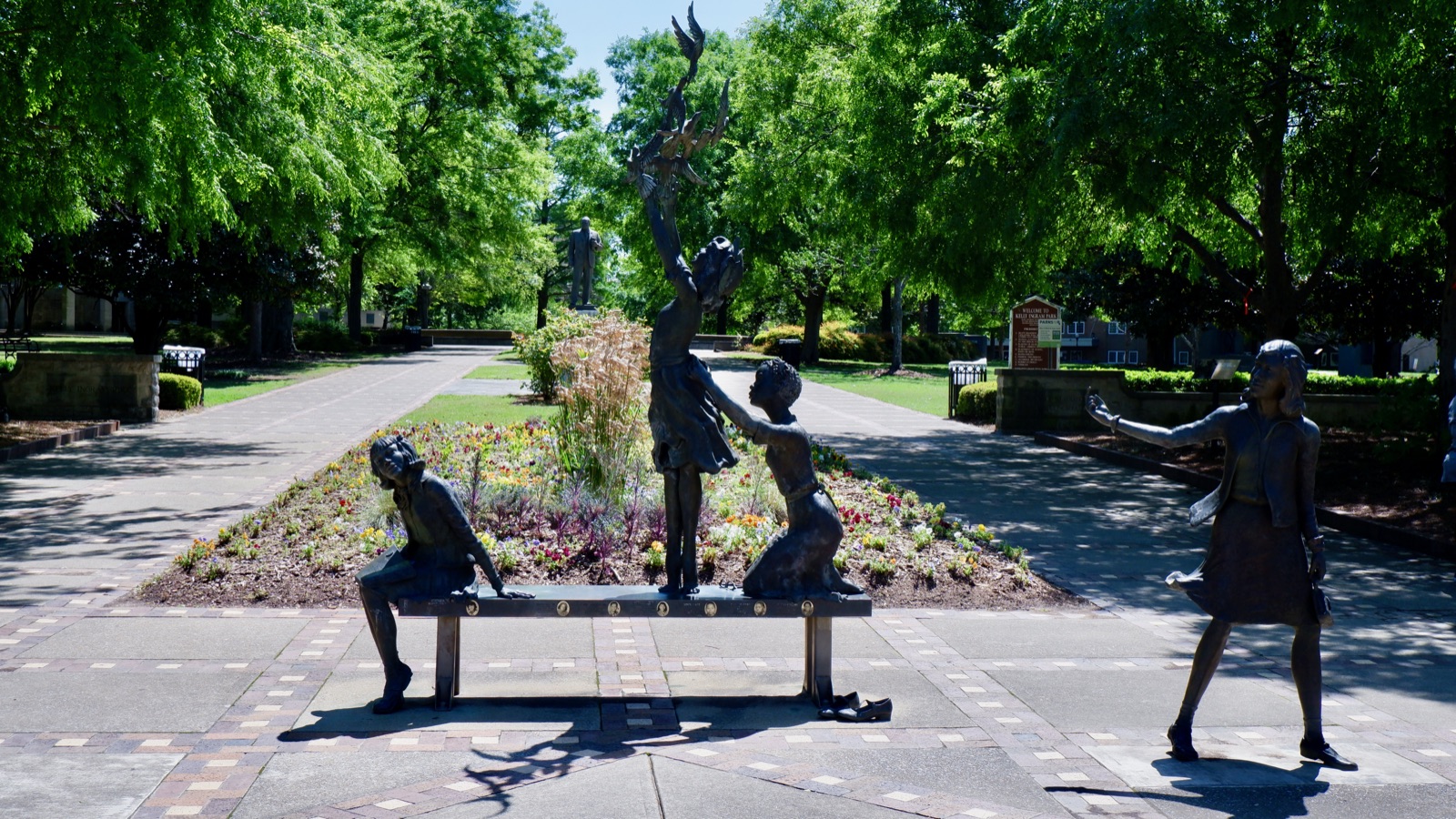
Birmingham is also the site of civil rights era events that got worldwide attention, and of a terrible terrorist attack against a black church that killed 4 young girls. When visited the site of the attack and the park next to it, I was struck by how similar it felt. Growing up in Israel, where so many terrorist attacks took place over the years, the memorialization of the victims and the way the event was woven into the bigger story of struggle felt familiar. The situation in Israel is very different of course, but the empathy and kinship I felt towards those 4 girls was strong regardless. Sadly, the current political atmosphere in Israel seems to be growing more racially divisive, even as the day to day of many citizens is becoming less so. It seems to me that if there is anything to be learned from the civil rights era here in the south, it is that the closer things get to being desegregated, the more desperate the racists and bigots get, the more likely to resort to violence.
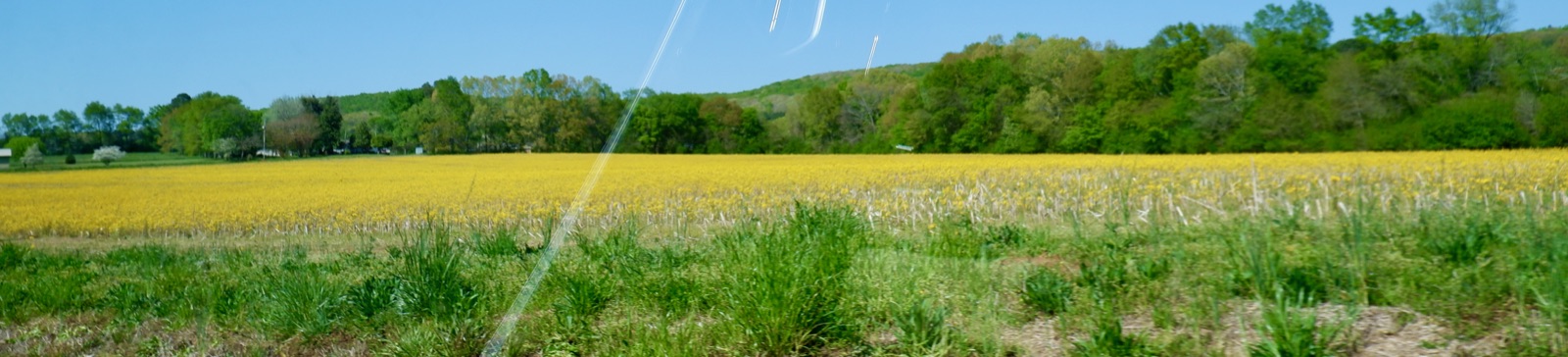
Leaving Birmingham we took the back roads to Nashville. It was a long but beautiful drive.
(previous post here)
(next post here)