After a few days in NOLA we started feeling more at home. We explored the French Quarter inside and out, and visited another famous neighborhood, the Garden District, where there are nice big mansions, built by NOLAs richest people in the 19th century and preserved beautifully. People also come here for shopping. There is, of course, more to NOLA than just music, shopping and nicely preserved historical neighborhoods. NOLA was the center of the slave trade in the lower south during the so-called antebellum period. Antebellum is from Latin: Ante (before) and Bellum (war), e.g. before the war, which in the south means the American civil war. Writing the term feels a little repulsive, like wearing a MAGA hat. It also feels wrong, like saying “יורד” in Hebrew to describe someone who emigrates from Israel (the word comes from the root “to go down”, as opposed to the word that is used to describe someone who emigrated from another country to Israel, where the word is “עולה”, from the root “to go up”). That is to say, I don’t like using language that serves a very specific political purpose, one that I disagree with, where the words have been so well integrated into the culture as to almost become invisible. In the same vein, a shift has been taking place in recent years, from using the word “slave” to using “enslaved person”. As Katy Waldman points out “To reduce the people involved to a nonhuman noun … reproduce(s) the violence of slavery on a linguistic level; to dispense with it amount(s) to a form of emancipation”.
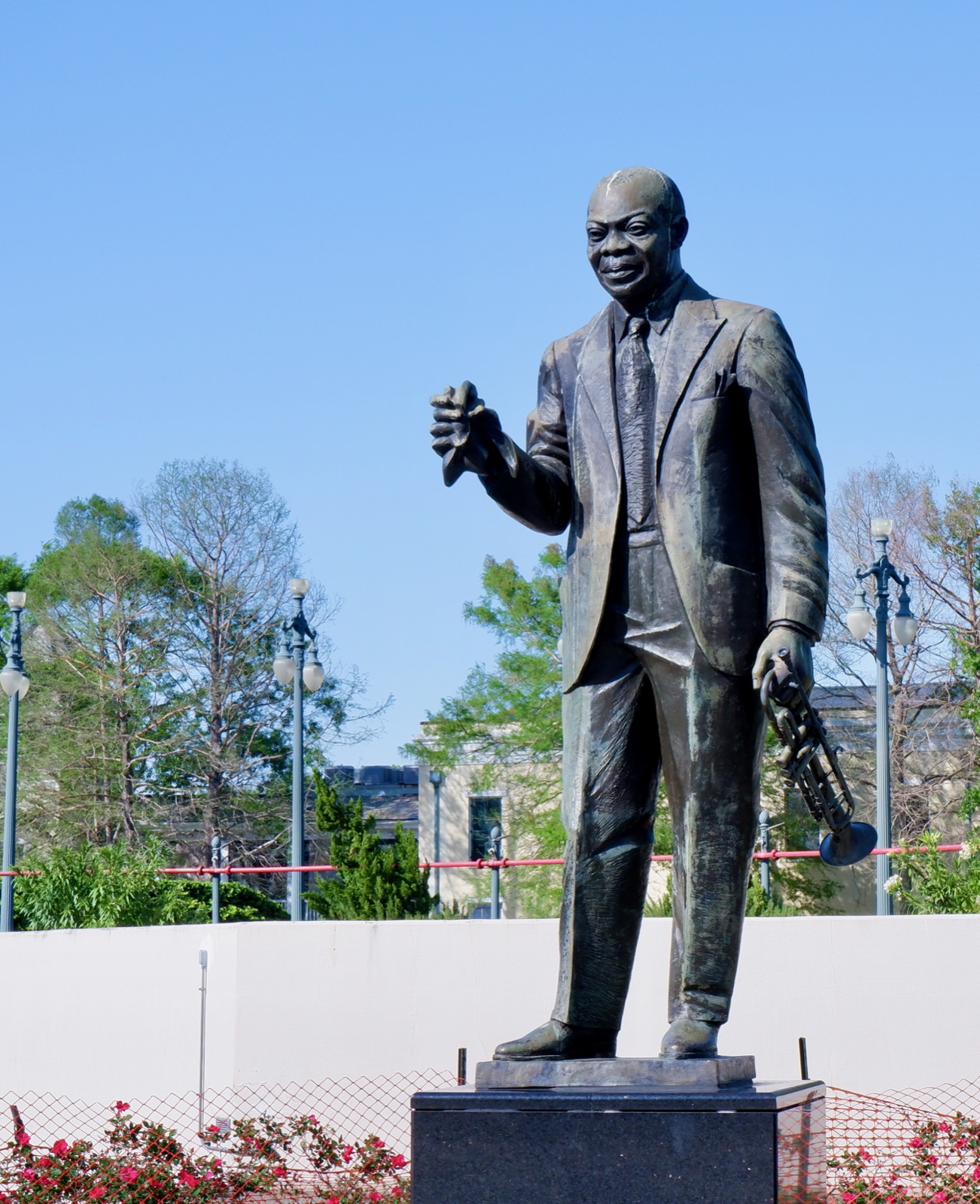
Our introduction to the period started slowly. We stopped by Louis Armstrong Park, a beautiful park not too far from the French Quarter and a walking distance from our hotel. The park was built on an area that was known as Congo Square during the 18th and 19th centuries. Back then, it was the only places where enslaved people could congregate. It was considered “the back of town”, being at the edge furthest from the river of what was then New Orleans and is now the French Quarter. Enslaved Africans congregated, socialized and traded in Congo Square, and as a byproduct, also danced and played music. Ultimately, many influences would add to the music played there to form what we know today as Jazz.
We then met some friends, who are relatives of a friend from the Bay Area. They were very nice and hospitable, and offered to host us for one additional night in NOLA. It was so good to spend some time talking to normal people (e.g. not tourists and not people in the service industry that you meet when you travel), and even more so to people that share a lot of cultural background with us (they are from Israel, around our age). We had a non stop conversation for the entire time we spent together, and got to see some of the places locals frequent, which was very cool.
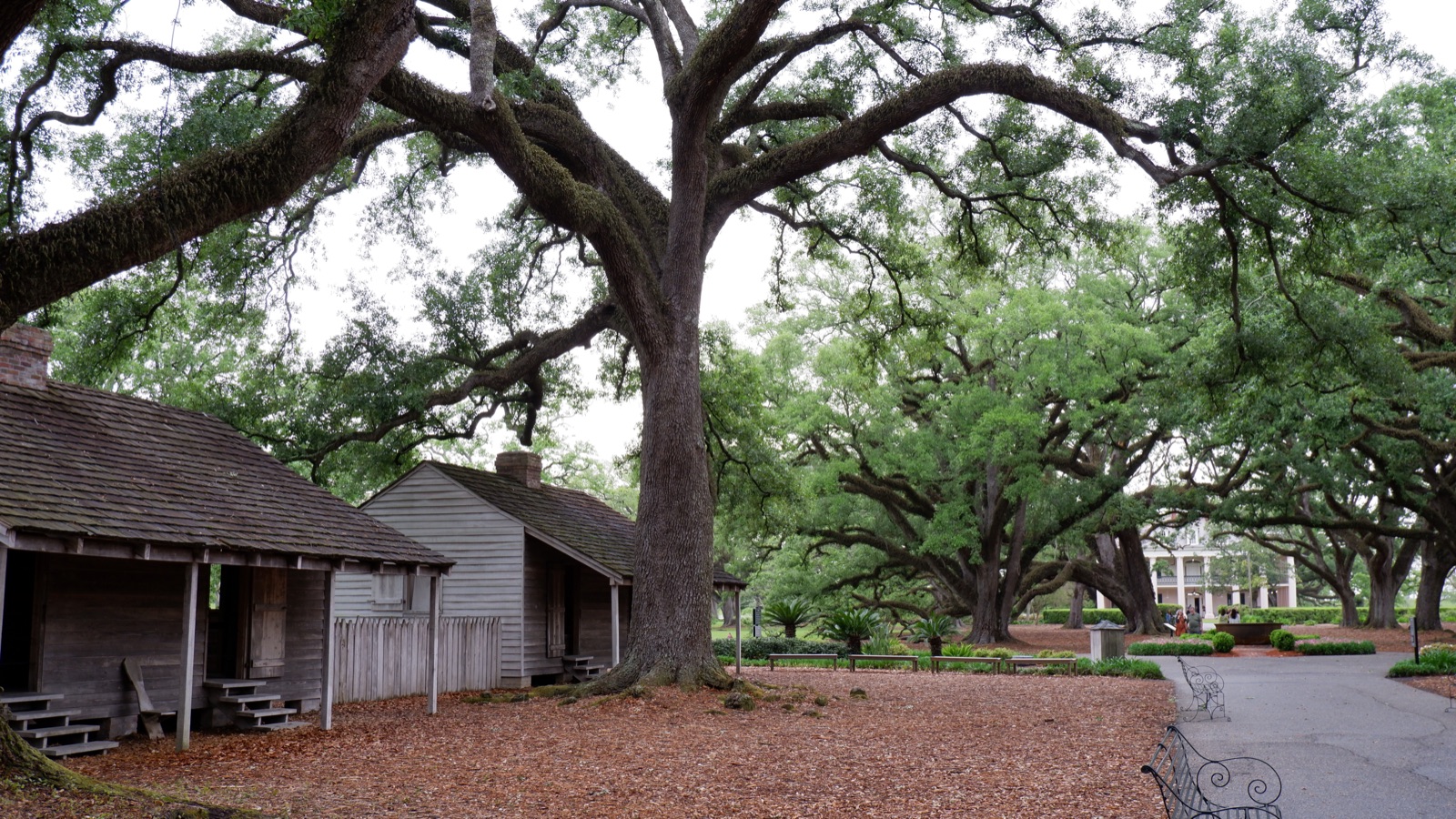
Finally leaving NOLA, we embarked on a day of plantation tours. Plantations are the farms where enslaved people worked in the south during slavery. They were one of the first instances of industrialized agriculture, except that instead of machines they had enslaved people. The profits plantation owners made from growing massive crops of tobacco, rice, cotton, sugar cane and indigo using enslaved people’s labor were huge, and that wealth is still visible in some plantations that survive to this day. We chose to go first to the Whitney Plantation, which focuses on the perspective of enslaved people. It was very informative, and aside from good information about what happened, had a lot of artifacts from the era, including a few surviving shacks where the enslaved people lived. It is one thing to hear and learn about what happened, it is quite another to see the house where enslaved people lived with your own eyes.
So much about this visit was shocking. For starters the numbers - around 350,000 Africans were forcefully brought to the US over the years from Africa in what became known as the Atlantic slave trade. At least 835,000 enslaved people would be brought to the south from excess supply in the northern US in the Domestic slave trade, most of them born in the US. More were born on the plantations. In the 1860 census enslaved people accounted for 12% of the US population.
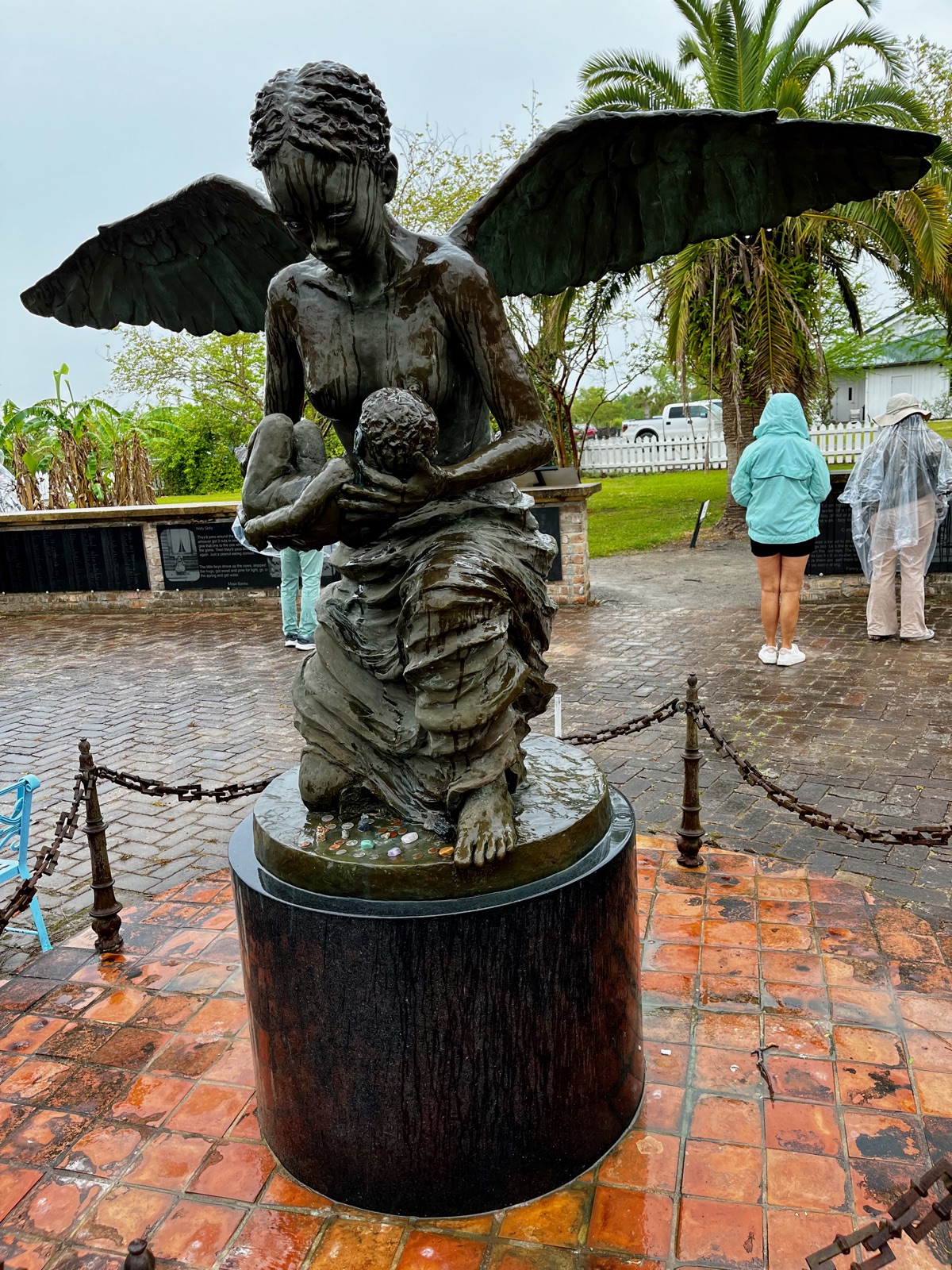
Seeing the cramped conditions in which they lived, reading about the Atlantic crossing - being shipped from Africa to the US - was very sobering. Though Slavery is very different than the Holocaust, the dehumanization of people and their treatment as animals is very similar in both cases. The pictures of terribly malnourished people, the staggering numbers of people that died because of unsanitary conditions, malnutrition or just because their oppressor decided he wanted to kill them were all strikingly similar. The walls of names, attempting to humanize and memorialize the people no one cared about, are similar. And the muted, respectful memorials, trying to convey the horrors of what took place in respectful and somber tones while avoiding hysterical or melodramatic ones, are also similar. One of the exhibits is called The Field of Angles. It is dedicated to the 2,200 enslaved children who died on the plantation. It is an outdoor statue of a young black enslaved woman holding her dead baby. I stood there and saw the rain that was with us throughout the tour dripping down her cheeks like tears. My cheeks were also wet, and not just because of the rain.
We spent several hours at Whitney. It was very emotional, but also thought provoking. Where when it comes to the Holocaust I am part of the oppressed group, here I was part of the oppressor. Seeing black people walking alongside me and looking at the exhibits was very strange. I know they are not holding me personally accountable - I wasn’t born then, and neither were they - but I’m sure they must feel something. After all, their oppression is still not over, and they have every right to be angry about that. Hey, I wanted to say, I feel your pain. I’m doing everything I can, and will continue to.
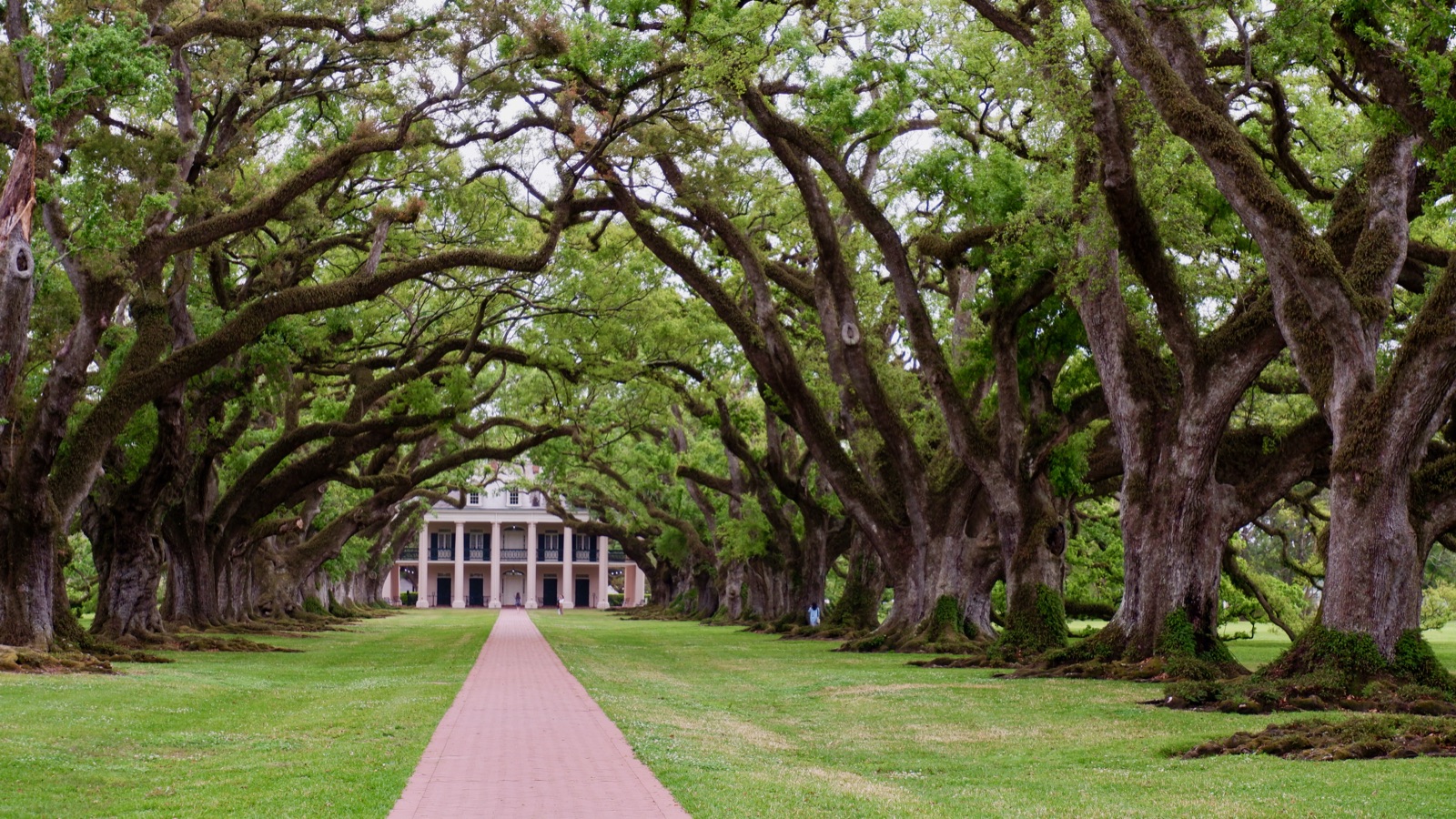
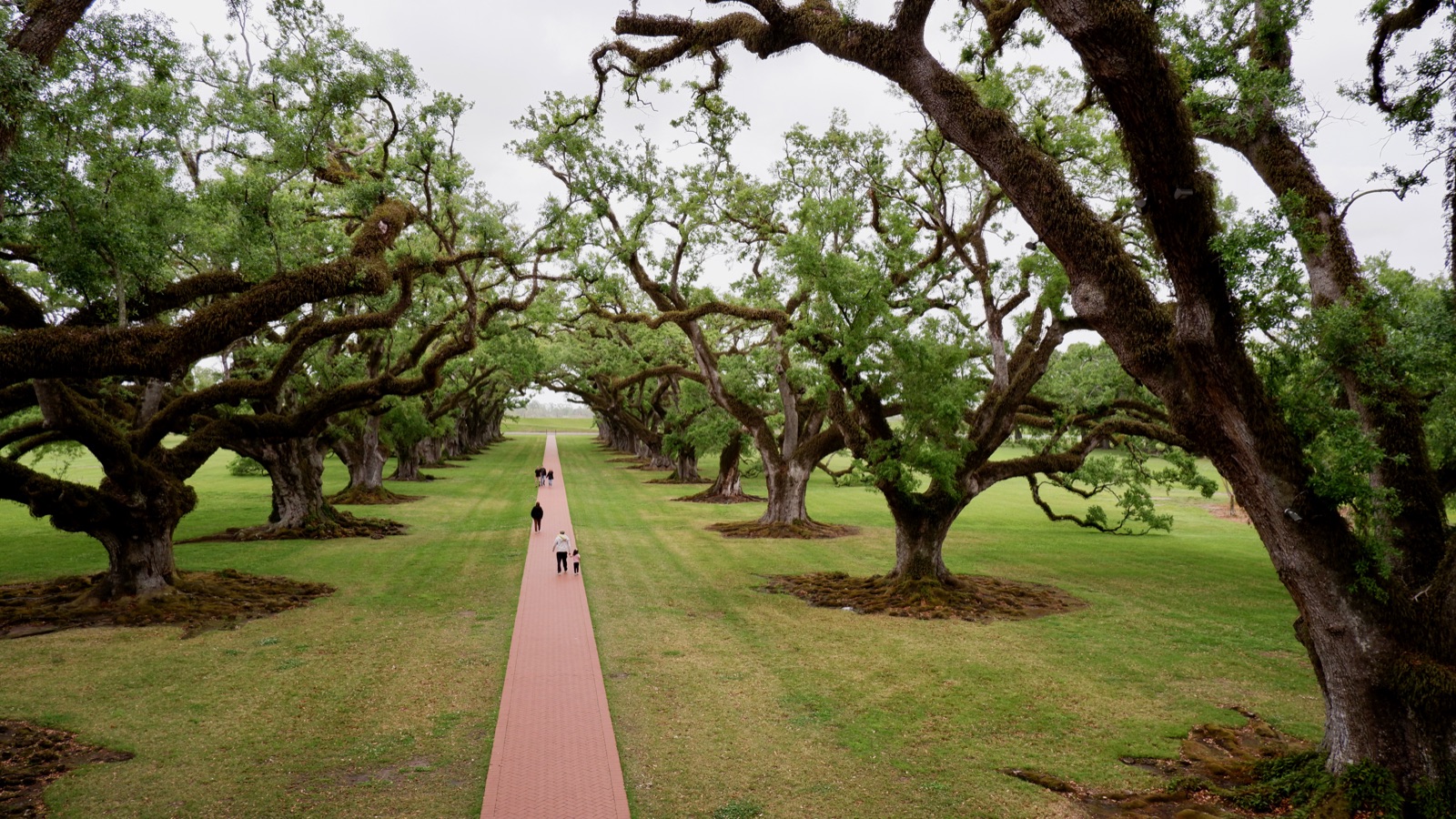
We then drove to Oak Alley, another plantation. Though there were exhibits depicting enslaved people there, the focus was much more about life for the plantation owner and their family during slavery. The plantation itself was much richer than Whitney, and the big house - the main building where they lived - was grand and well appointed. It was built at the end of a long double row of Oaks that formed an alley. Those oaks are 250 years old by now, and it is quite an impressive sight.
We ended the day in Baton Rouge, exhausted and emotional.
(previous post here)
(next post here)