The city of Los Alamos sits on a secluded mesa somewhere between Taos and Santa Fe. Back in 1943 it was a school for well to do boys called Los Alamos Ranch School, when the government bought it and turned it into a secretive weapons program called The Manhattan Project. About two and a half years later the project conducted Trinity the first large scale nuclear test, which marked the dawn of the nuclear age. The project produced Little Boy, which was dropped on Hiroshima, followed by Fat Man which was dropped on Nagasaki. Arguably, those bombs contributed to Japan’s decision to surrender, ending WWII in the Pacific theatre.
I am fascinated by WWII. The horrific scale of human suffering and destruction is terrifying and hard to wrap my head around. Some of my great uncles and aunts perished in the Holocaust. At the same time, the technological advancements made during the war shaped the modern world in an unprecedented way. The invention or rapid development of radar, rockets, submarines, penicillin, flu shots, cryptography and jet engines all happened during the war or were motivated by it. I was therefore excited to visit Los Alamos. I knew we would not be able to visit the modern day incarnation of that project - Los Alamos National Lab, where lots of scientists still develop weapons and other secret things behind closed gates. But I thought we would at least see some historical artifacts and get some behind the scenes historical facts from the war era. Looking at the website for Manhattan Project National Historic Park revealed that it was open on Sunday, so we headed there to check it out. Turns out that the visitor center - a small room with a ranger and a volunteer - was open. But literally everything else was closed. Due to covid or budget issues, the schedule for the various places you could theoretically visit is a venn diagram that probably means the best time to visit is Tuesday morning. Oh well.
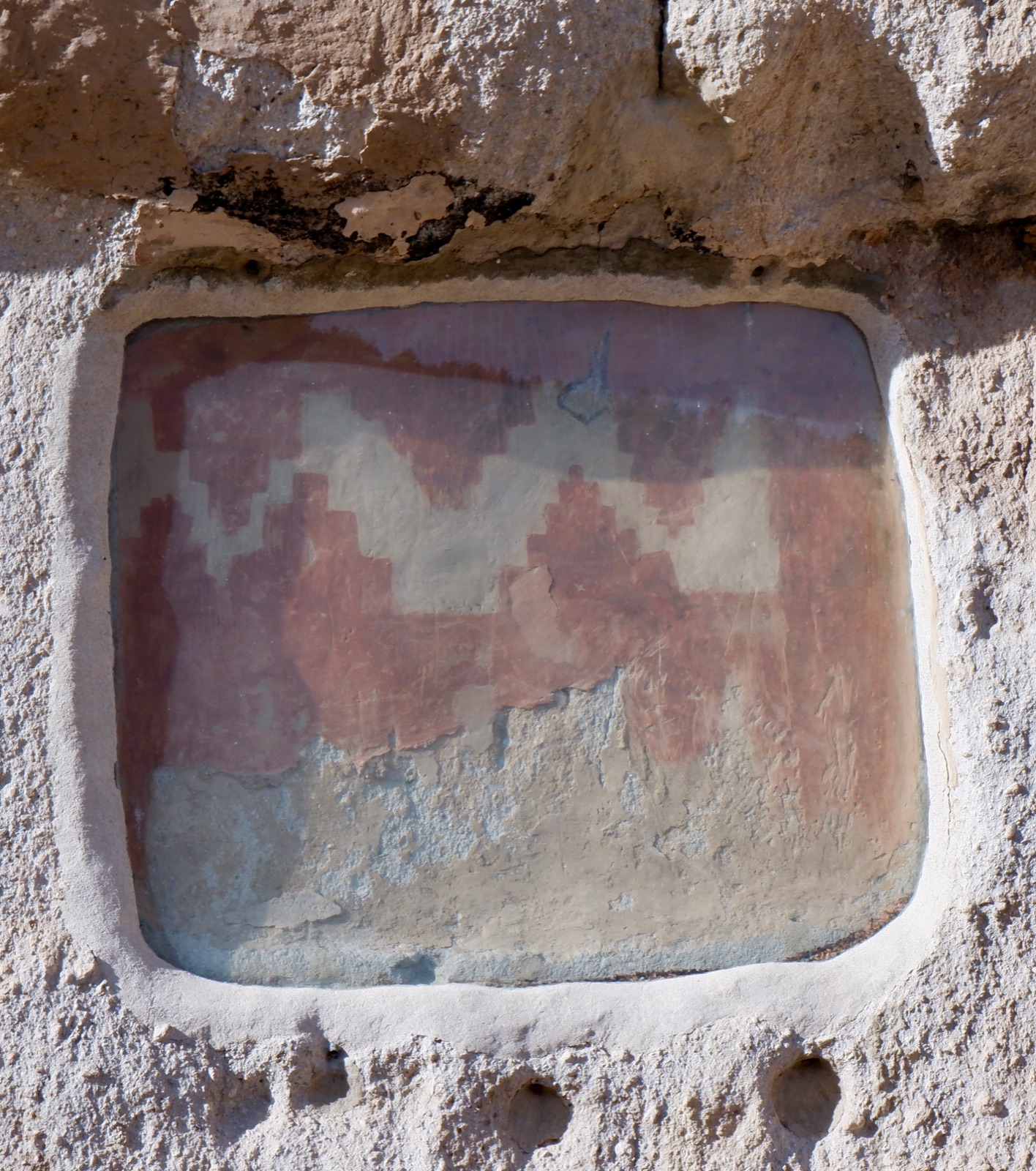
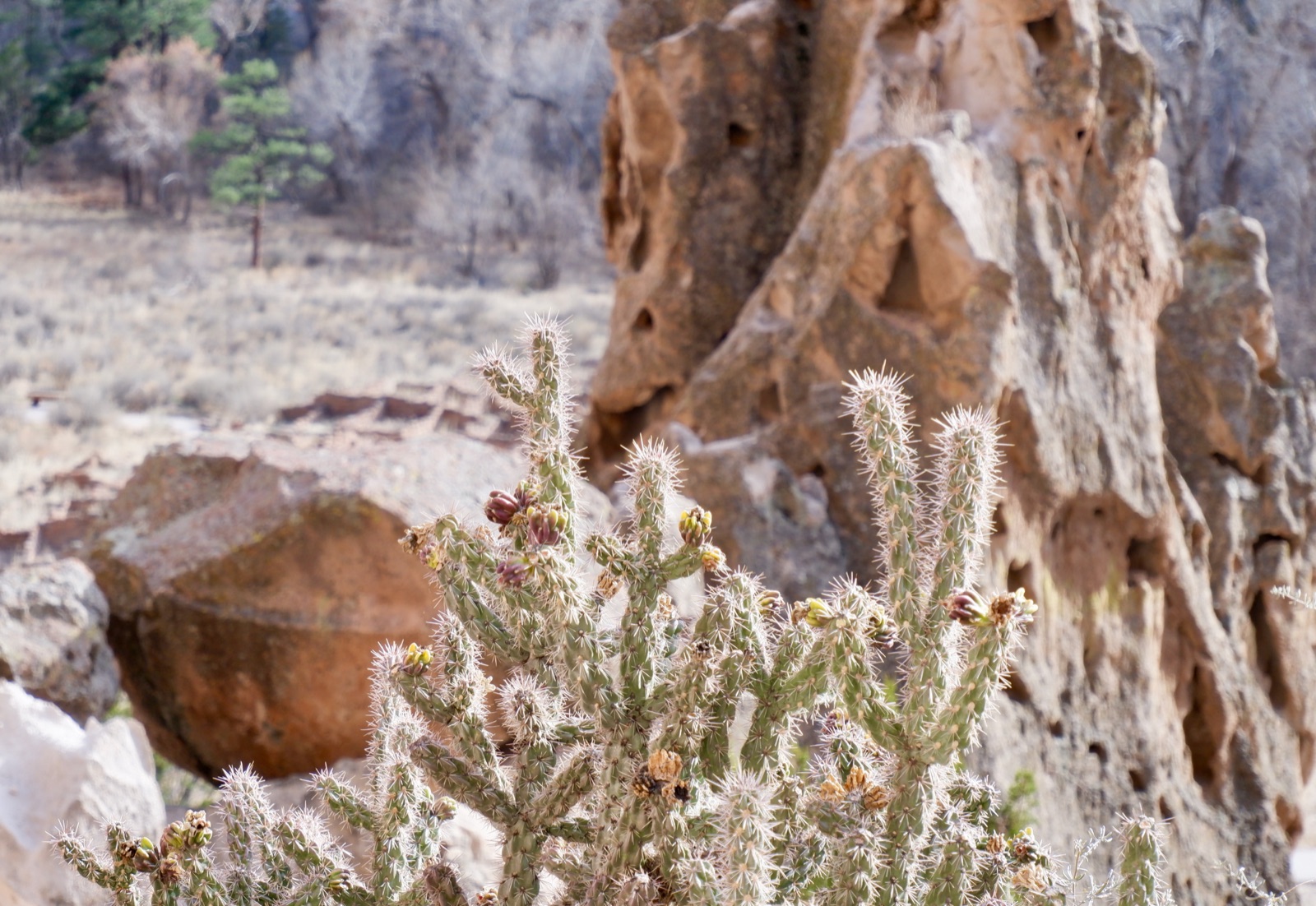
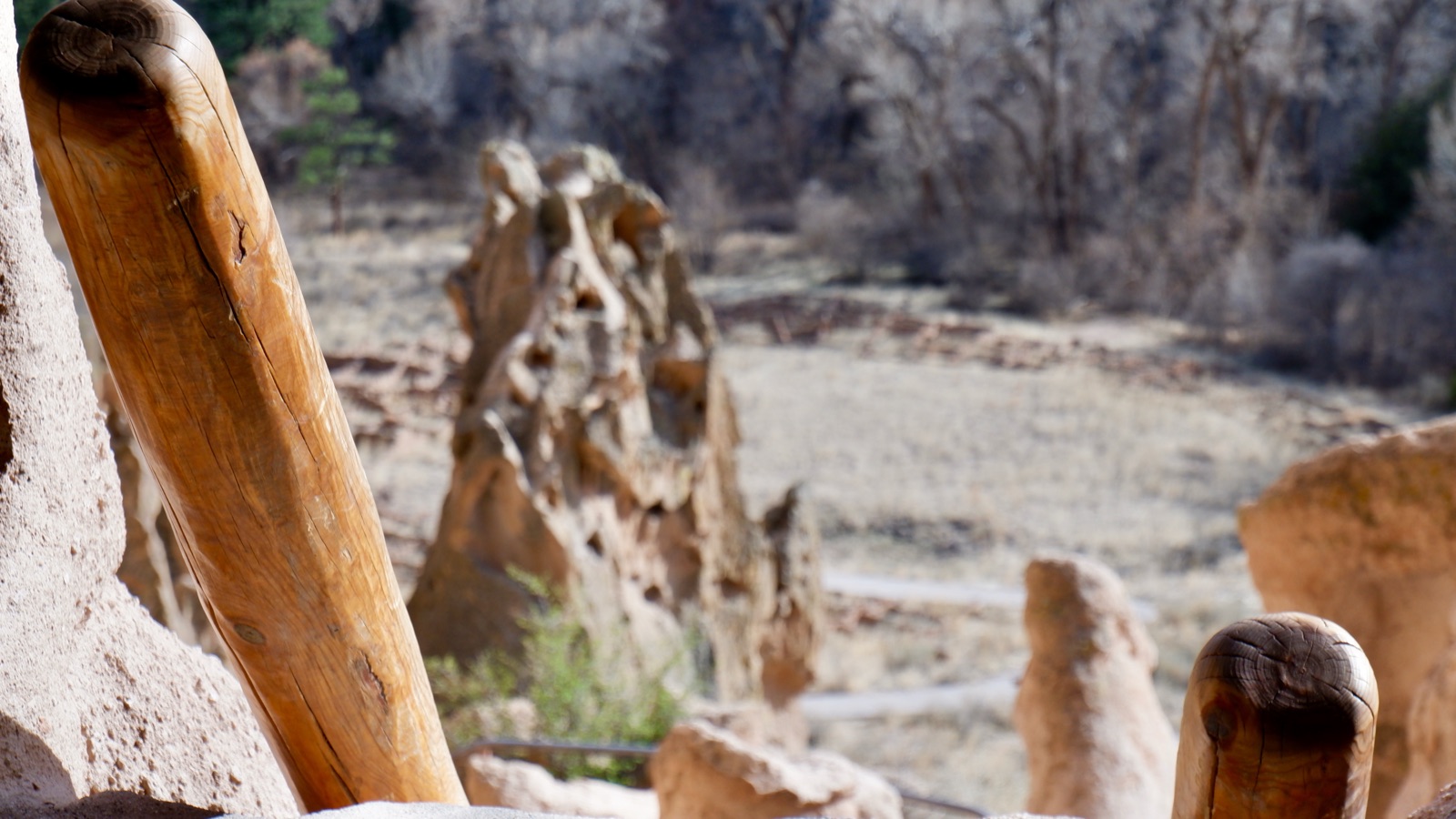
So what to do? The one thing that was open was a brewery. It was a little early in the day - 3 pm - for a beer, but how else to drown our sorrow? The brewery was nice. Open and airy with lots of light, a few locals sitting around, some with their dogs. The soundtrack was nice - Balkan Beatbox, Csokolom, Deluxe - so we hung out for a little bit. We then drove to Bandelier National Monument, which is about 20 minutes from town. The road goes near the national lab, so we had to pass a security checkpoint where a young soldier checked my ID and waived us through. The main attraction of Bandelier is a canyon with a few - you guessed it - cliff dwellings. It turns out that without really planning to do so, we’ve been following in the chronological footsteps of the Pueblo people, and here we found the most recent - relatively speaking - archeological site. It had Kivas, big houses, and cliff dwellings. It all looked familiar, as if visiting a new neighborhood in city I’ve been living in for a while. I could tell there were innovations - they had Kivas inside some of the cliff dwellings, which they didn’t have in any of the previous places, for example.
The drive to Bandelier passed by many LANL buildings and facilities. I realized that many of those Marvel and DC comics that turned into superhero movies in the past 30 years are actually inspired by this drive. When you think about the history of the secret lab in the middle of the desert, then drive by fenced and heavily guarded facilities with large satellite dishes, generators and large hangars keeping unknown large machines hidden from view, all in the middle of remote high desert, it does not feel like a huge leap to get to The Avengers.
As we were finishing our hike we met a young woman, sitting on a bench on the side of the quiet trail. Covered in colorful tattoos, she initially seemed concerned when she first saw us, but later relaxed and asked us for directions to the parking lot. We invited her to walk with us the last half mile to the car. In a short few sentences she told us she has been separated from her partner for several hours, and that she was waiting for her at the bench. She was afraid of noises that seemed to be bears or mountain lions to her. It didn’t seem like she was there for that long, and less than a quarter of a mile later we came upon another bench where her partner was seated, waiting for her. The partner definitely did not look as worried as you’d expect from someone who has been waiting for hours…
It became clear that this woman likely had a bad trip. Who knows what she was on, but whatever it was. it made her have an unnatural sense of the passing of time and more than a bit paranoid. She was way more talkative than you’d expect and her imagination was working overtime. It is really sad to see someone in that state. What is it that makes some people need to put themselves in this altered state of consciousness? Why is this such a common, almost socially acceptable thing in our society? I realize it is a fine line. There are mild substances that are very acceptable and (mostly) legal - coffee, alcohol, pot. But this woman seemed to be on something a bit stronger, she somehow seemed a bit more out there. Why are the legal substances ok and whatever she was on is not? I am not sure I know the answer, but I do know it made me feel very worried for her, and also worried about my own kids, who are young adults and are probably exposed to pressures to use those substances.
(previous post here)
(next post here)